
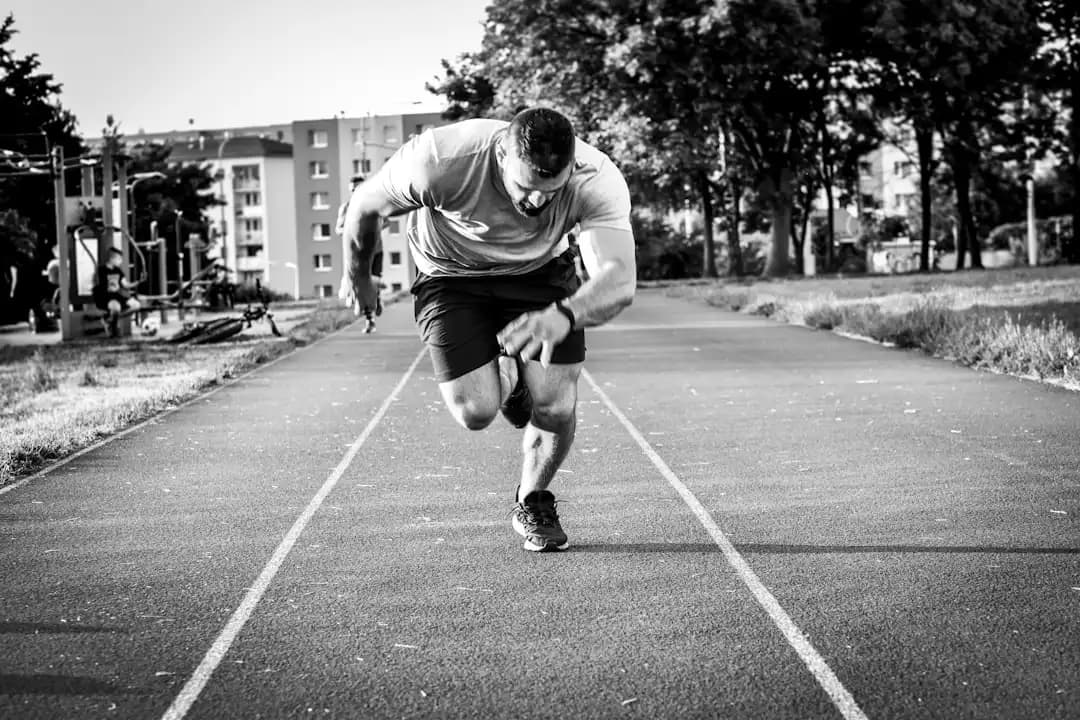
Sports Biomechanics
Enhancing Performance Through Science & Movement Analysis
What is Sports Biomechanics?
Sports Biomechanics applies principles of physics and anatomy to evaluate athletic movement. It focuses on:
Body alignment and posture
Joint angles and motion range
Force generation and absorption
Speed, acceleration, and balance
Technique optimization
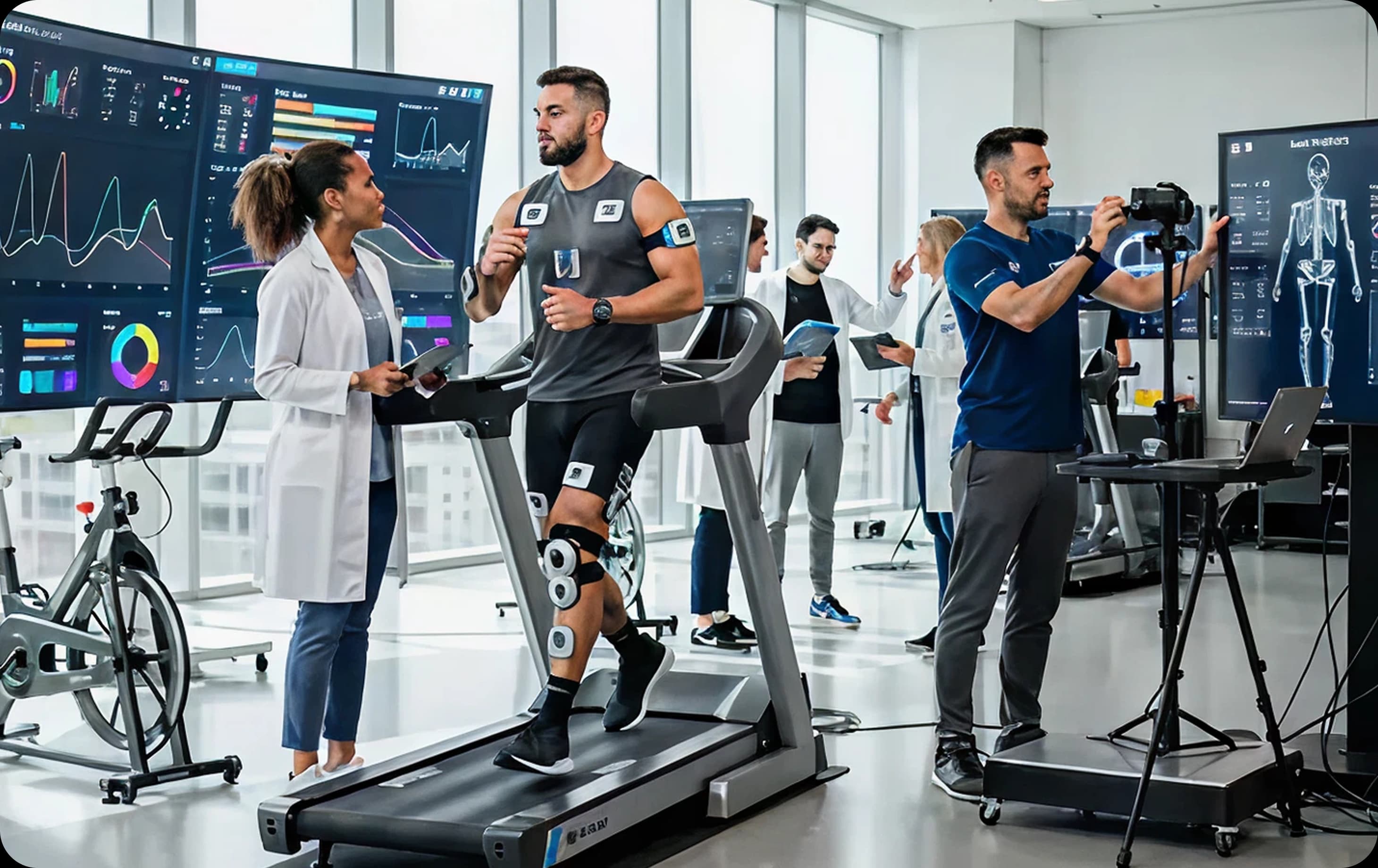
This field combines motion capture technology, video analysis, and force measurement tools to provide data-driven insights for athletes and coaches.
Technologies Used
These tools provide measurable data to improve training strategies.
High-speed video analysis
2d biomechanics softwares
Wearable sensors
Key Areas of Study
1
Movement Analysis
Examining how an athlete moves during sport-specific actions such as running, jumping, throwing, or swimming.
2
Injury Prevention
Identifying improper mechanics that increase stress on joints and muscles.
3
Performance Optimization
Refining techniques to maximize power output and efficiency.
4
Equipment & Gear Analysis
Studying how footwear, rackets, bats, or protective gear influence movement and performance.
Applications in Different Sports
Biomechanics principles applied across various athletic disciplines