

Exercise Physiology
Maximize physiological capacity and training efficiency.
What is Exercise Physiology?
Exercise Physiology examines the body's immediate and long-term responses to physical activity and training stress.
Improve aerobic and anaerobic capacity
Neuromuscular coordination
Enhance cardiovascular health
Monitor overtraining markers
Improve recovery protocols
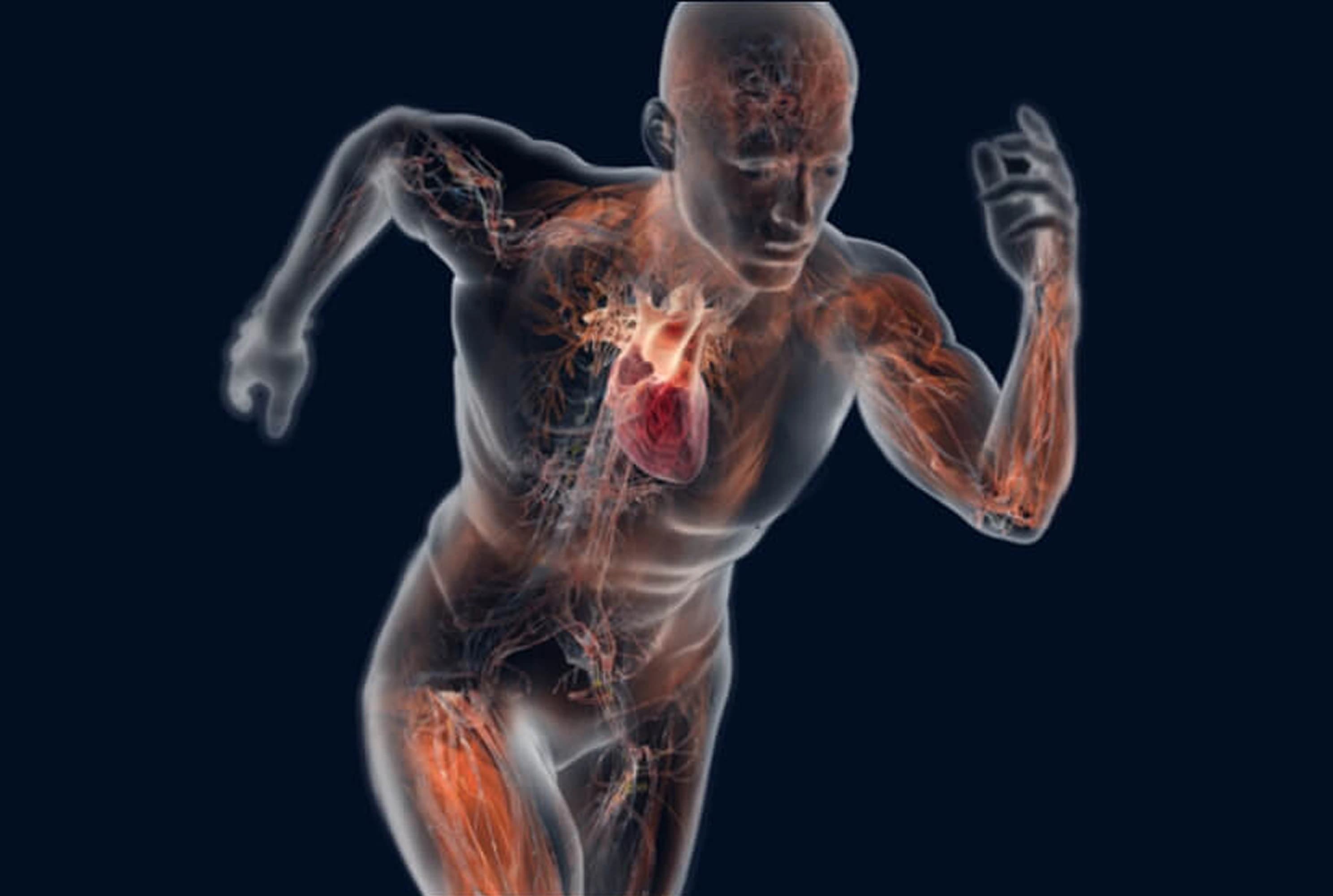
Our goal is to provide athletes with tailored training prescriptions that push performance boundaries while maintaining optimal health. This field combines metabolic testing, physiological monitoring, and scientific training load analysis to provide objective insights into the athlete's internal state.
Technologies Used
We use a variety of high-tech tools to monitor physiological stress and adaptation.
(VO2 Max testing)
Heart rate variability (HRV) monitors
reaction and reflex testings
Field performance testing equipment
anaerobic testing
Key Areas of Study
1
Motor adaptation
Understanding how the body utilizes energy sources during competition.
2
Cardiovascular Conditioning
Developing heart and lung capacity to support peak output.
3
Recovery Science
Identifying the optimal balance between training load and rest.
4
Environmental Physiology
Adapting training protocols for heat, altitude, and humidity.
Applications in Different Sports
Biomechanics principles applied across various athletic disciplines